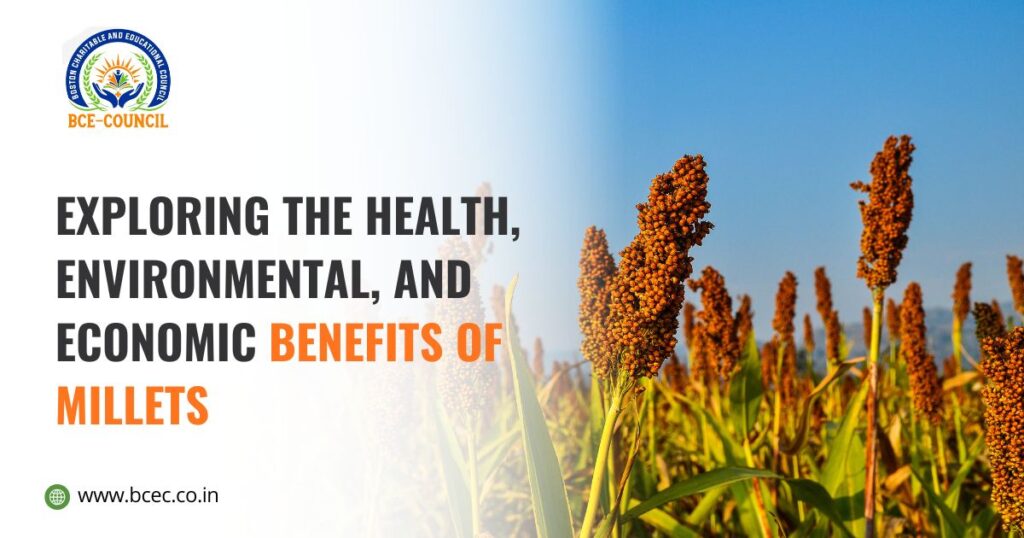
As India embraces the future of food security and sustainable farming, there is a renewed interest in one of its oldest grains—millets. Once a staple in Indian diets, millets are now making a comeback, thanks to their remarkable health benefits, environmental resilience, and potential to boost rural economies. Understanding why millets matter is key to building a healthier, greener, and more inclusive future.
The Nutritional Powerhouse: Health Benefits of Millets
Millets like ragi (finger millet), bajra (pearl millet), jowar (sorghum), and foxtail millet are packed with nutrients. Unlike refined grains, millets are:
- Rich in Fiber: Aids digestion, controls blood sugar, and supports gut health.
- High in Protein: Especially valuable for vegetarians and those seeking plant-based nutrition.
- Loaded with Micronutrients: Millets are excellent sources of iron, calcium, magnesium, and B-vitamins.
- Gluten-Free: Ideal for those with celiac disease or gluten intolerance.
- Low Glycemic Index: Helps manage diabetes and maintain steady energy levels.
Regular consumption of millets can help prevent lifestyle diseases such as diabetes, obesity, and heart conditions, making them a true superfood for all ages.
Sustainable Farming: Millets and the Environment
Millets aren’t just good for our bodies—they’re great for the planet, too. Here’s why:
- Drought-Resistant: Millets require far less water than rice or wheat, making them ideal for India’s dry and arid regions.
- Climate-Resilient: These hardy crops withstand extreme weather conditions, ensuring food security even in the face of climate change.
- Low Input Needs: Millets grow well without synthetic fertilizers or pesticides, supporting organic and eco-friendly agriculture.
- Soil Health: Their deep-root systems help prevent soil erosion and improve soil structure.
By promoting millet cultivation, we can reduce the environmental footprint of agriculture and support sustainable rural livelihoods.
Empowering Farmers: The Economic Benefits
For millions of small and marginal farmers in India, millets represent a pathway to economic stability:
- Low Production Costs: Requires fewer inputs, reducing financial risk for farmers.
- Short Growing Cycle: Provides quicker returns and allows for multiple harvests a year.
- Market Opportunities: With rising urban demand and government support, millets offer new income streams through value-added products like flours, snacks, and health foods.
- Food Security: Diversifies local diets and reduces dependency on a few major crops, making communities more resilient to market and climate shocks.
Reviving Tradition, Securing the Future
The renewed focus on millets is not just a health trend—it’s a return to roots. For generations, Indian communities thrived on millet-based diets. By bringing millets back to our plates and fields, we’re honoring ancient wisdom while addressing modern challenges of malnutrition, environmental degradation, and rural poverty.
How BCEC Supports the Millet Movement
At Boston Charitable And Educational Council (BCEC), we actively promote millet awareness and adoption through:
- Farmer training programs on millet cultivation and processing
- Nutrition and health camps highlighting millet-based diets
- Community workshops on value addition and marketing of millet products
Our goal is to empower farmers, improve public health, and foster sustainable agriculture for the future.
Conclusion
Millets matter—for our health, our environment, and our farmers. Let’s rediscover these ancient grains, support local farmers, and embrace a superfood that nourishes both people and the planet.
Ready to learn more or join our millet initiatives?
Contact BCEC today!